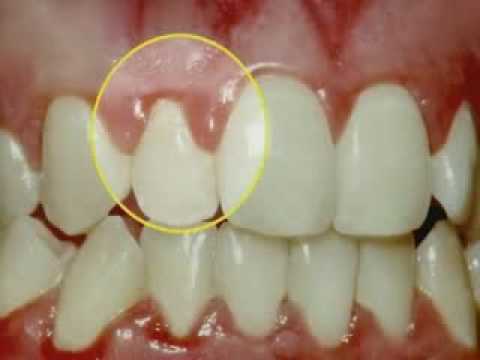
As strange as it seems , some people think that chewing gum causes gum disease. However, gum
disease comes from plaque and calculus. Plaque is a soft material that is made up of bacteria and food debris that is scraped off by your dental hygienist and daily brushing. When the plaque is not removed though, minerals carried in saliva interact with it and the plaque hardens and turns into calculus. Plaque and calculs can cause decay in teeth and irritate your gum tissue resulting in gum disease.
Dentists call gum disease periodontal disease: periodontal disease: perio means gums and dontal refers to teeth. This disease affects the gum tissue and is characterized by irritation and redness. When
gum disease advances unchecked it affects the bone and ligaments that hold a tooth in place. Gingivitis is the early stage of periodontal disease, and its signs include redness, slight swelling, and bleeding after brushing or flossing. When gingivitis is left untreated it causes the gum to begin receding, or pulling away from the tooth, as which point the gum disease is classified as periodontitis When the bone and ligaments become infected and inflamed, the gum disease is referred to as advanced periodontitis. Bleeding and swelling of the gum tissue, pain pus, halitosis, and loose teeth are the signs of this advanced stage of gum disease.