Showing posts with label teeth. Show all posts

Monday, November 4, 2013

How to Prevent Gum Disease

As strange as it seems , some people think that chewing gum causes gum disease. However, gum
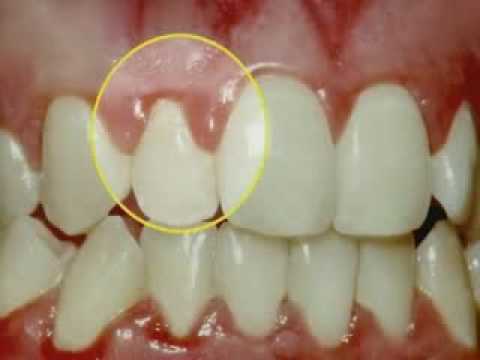
disease comes from plaque and calculus. Plaque is a soft material that is made up of bacteria and food debris that is scraped off by your dental hygienist and daily brushing. When the plaque is not removed though, minerals carried in saliva interact with it and the plaque hardens and turns into calculus. Plaque and calculs can cause decay in teeth and irritate your gum tissue resulting in gum disease.

Dentists call  gum disease periodontal disease: periodontal disease: perio means gums and dontal refers to teeth. This disease affects the gum tissue and is characterized by irritation and redness. When gum disease advances unchecked it affects the bone and ligaments that hold a tooth in place. Gingivitis is the early stage of periodontal disease, and its signs include redness, slight swelling, and bleeding after brushing or flossing. When gingivitis is left untreated it causes the gum to begin receding, or pulling away from the tooth, as which point the gum disease is classified as periodontitis When the bone and ligaments become infected and inflamed, the gum disease is referred to as advanced periodontitis. Bleeding and swelling of the gum tissue, pain pus, halitosis, and loose teeth are the signs of this advanced stage of gum disease.

Monday, July 22, 2013

Why Are Baby Teeth Important

Baby teeth are just as important to children as permanent teeth are to adults. They help a child to eat, talk and look great. However, many people believe the myth that it is not worth the effort to look after baby teeth. Nor is it worth fixing them. After all, some parents think, the permanent teeth will rake their place. This kin of thinking is understandable. The problem is that we are forgetting one other useful purpose of baby teeth. Baby teeth keep space in the mouth for the permanent teeth to grow in. If there is not enough space, the new teeth will grow in crooked, and cavities grow faster around crooked teeth.

Lone Tree dentists say, under each baby tooth a new permanent tooth is growing. At the same time, extra permanent molars are forming at the back of the mouth, inside the bone. Front baby teeth become loose and fall out in about 5-7 years ahead of back baby teeth. This is because the front permanent teeth are formed and ready to grow in before them.

The permanent molar is often the first of the permanent, or adult, teeth to grow into the mouth. This typically happens around age 6. The first permanent molar grows into the mouth by sliding against the back of the second baby molar. Slowly the upper and lower permanent molars grow in meeting and fitting tightly together.

Friday, July 12, 2013

Top Dental Tips for Children

Sometimes it becomes quite difficult for the parents to teach correct dental care to their children. However, it is very important to make them realize the importance of dental care so as to avoid various dental problems which may crop up in later years of a child's life. Apart from providing good dental care, it is also important for parents to impart good dental habits in initial stages of a child's life. Following are some great dental tips for your kids.

- Impart good dental care habits
It is important to impart proper dental care habits to the kids as soon as possible. If you are successful in impart good dental care habits, your child wont face any dental problems in later stages of life. Also, you should take your child to a dentist once every six months.

- Opt for fluoride toothpaste
Fluoride toothpaste must be used for the kid as it helps to control as well as prevent decay in tooth. For children who are under the age of three years, fluoride toothpaste should ideally contain 1350 to 1500 ppm of fluoride. However, you must tell them not to lick or consume the toothpaste.